Users see over 1,000 cookie banners every year. That’s more than three pop-ups daily. No wonder 25% of people just click “Accept” without reading. This is consent fatigue – and it’s killing your Shopify store’s conversions without you knowing. Visitors bounce before seeing your products. Your analytics data becomes incomplete. Customer trust erodes with every annoying pop-up. The good news? You can fix this while staying compliant. Here’s how to turn consent from a sales killer into a trust builder.
Key Takeaways
- Consent fatigue is real. Users see over 1,000 cookie banners per year. They’re tired of them and have stopped paying attention.
- It hurts your business. You lose sales from bounced visitors, miss marketing data, and damage customer trust without realizing it.
- You must comply with laws. GDPR and CCPA require consent. Fines can reach millions. But how you ask for consent makes all the difference.
- You can fix it. Use simple language, clean design, granular choices, and smart timing. Remember preferences and avoid manipulation.
- Use the right tools. A good consent management platform makes compliance easy and keeps the experience user-friendly.
What Is Consent Fatigue?
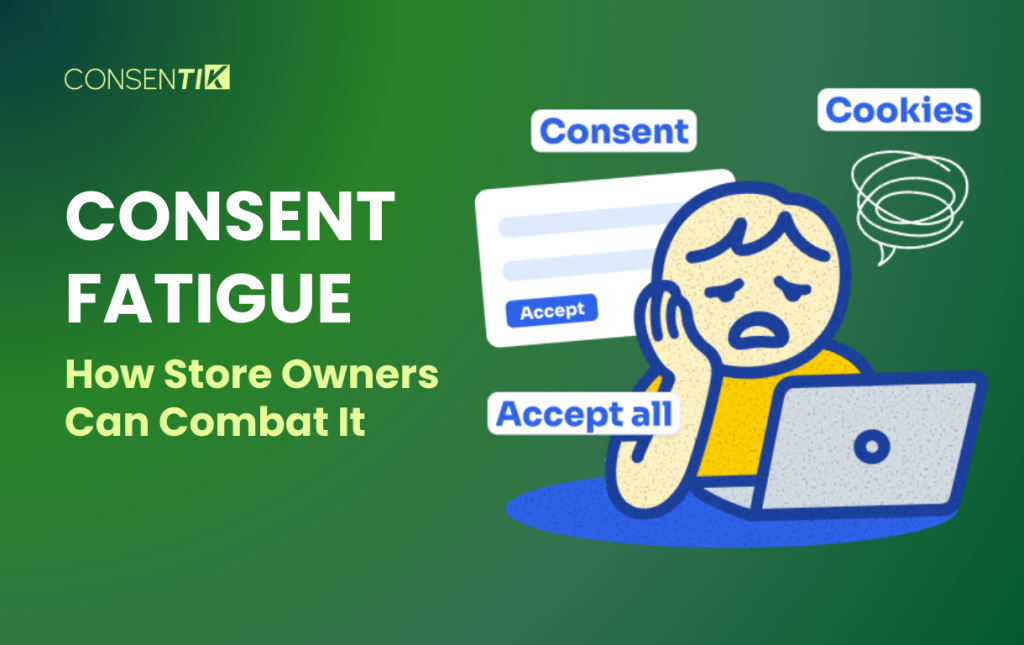
Picture this: A shopper lands on your online store, ready to browse your products. But before they see a single item, a cookie banner covers their screen. They don’t read it. They just click whatever button makes it disappear. That’s consent fatigue in action.
Consent fatigue means people are tired of cookie pop-ups. They’ve seen so many that they stopped reading them. Instead of thinking about their privacy choices, they click “Accept” or “Reject” without looking. The banner becomes noise they want gone as fast as possible.
This isn’t a made-up problem. It’s backed by real data that shows just how widespread this issue has become.
Why Consent Fatigue Matters?
The numbers are shocking. The average person visits about 100 websites per month. That adds up to roughly 1,200 sites per year. Since about 85% of websites now show cookie consent banners, a typical user faces more than 1,000 consent requests every single year.
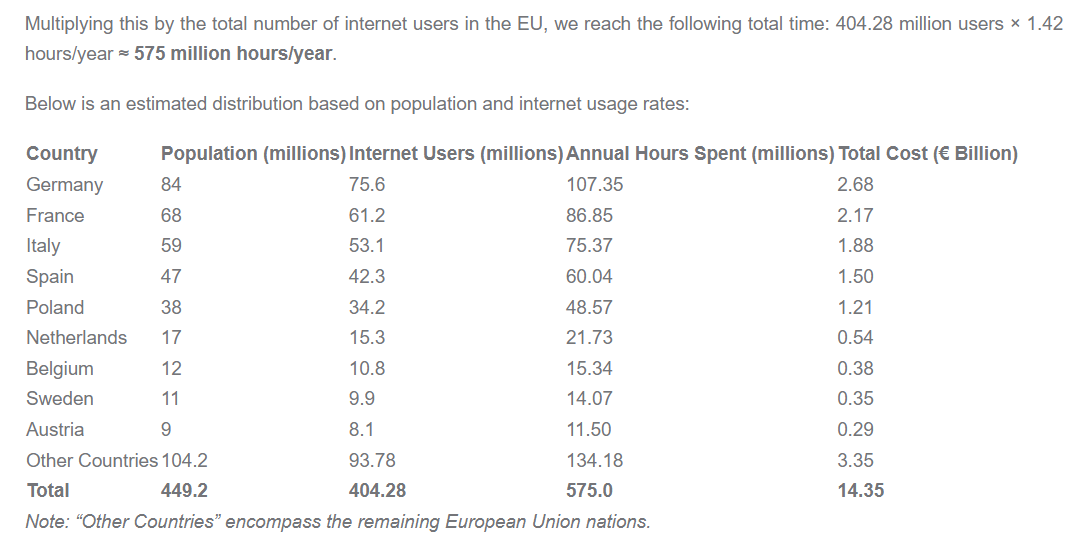
In Europe alone, all those cookie banner clicks add up to 575 million hours per year. That’s about 1.4 hours per user, per year, just dealing with pop-ups.
Here’s what makes it worse: research shows people look at a cookie banner for only 4 seconds before clicking something. But reading the full privacy text would take around 40 minutes. Nobody has that kind of time. So consent becomes a meaningless habit instead of a real choice.
Why Users Experience Consent Fatigue?
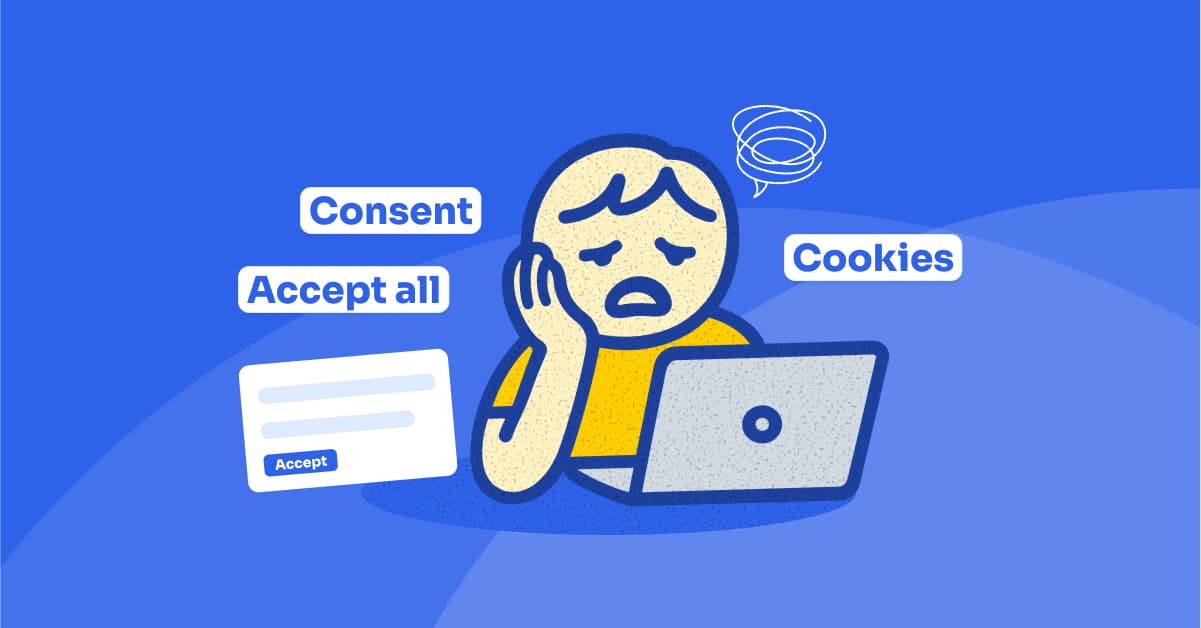
When people get tired of seeing consent banners everywhere, they react in ways that hurt both their privacy and your business:
- They click blindly. They hit “Accept All” or “Reject All” just to make the banner go away. They don’t read what they’re agreeing to.
- They stop seeing banners. This is called “banner blindness.” Users train themselves to ignore pop-ups entirely, which means your message doesn’t reach them.
- They leave your site. Some users get so annoyed by intrusive banners that they bounce before seeing your products.
- They lose trust. Every aggressive pop-up makes users feel nagged. Over time, this chips away at how they feel about websites in general.
Instead of feeling in control of their privacy, users now feel interrupted. Consent banners became just another obstacle between them and what they came to do.
Why This Problem Keeps Getting Worse
Cookie banners started with good intentions. Privacy laws like GDPR in Europe and CCPA in California require websites to ask users for consent before collecting their data. These laws protect people’s privacy, which is important.
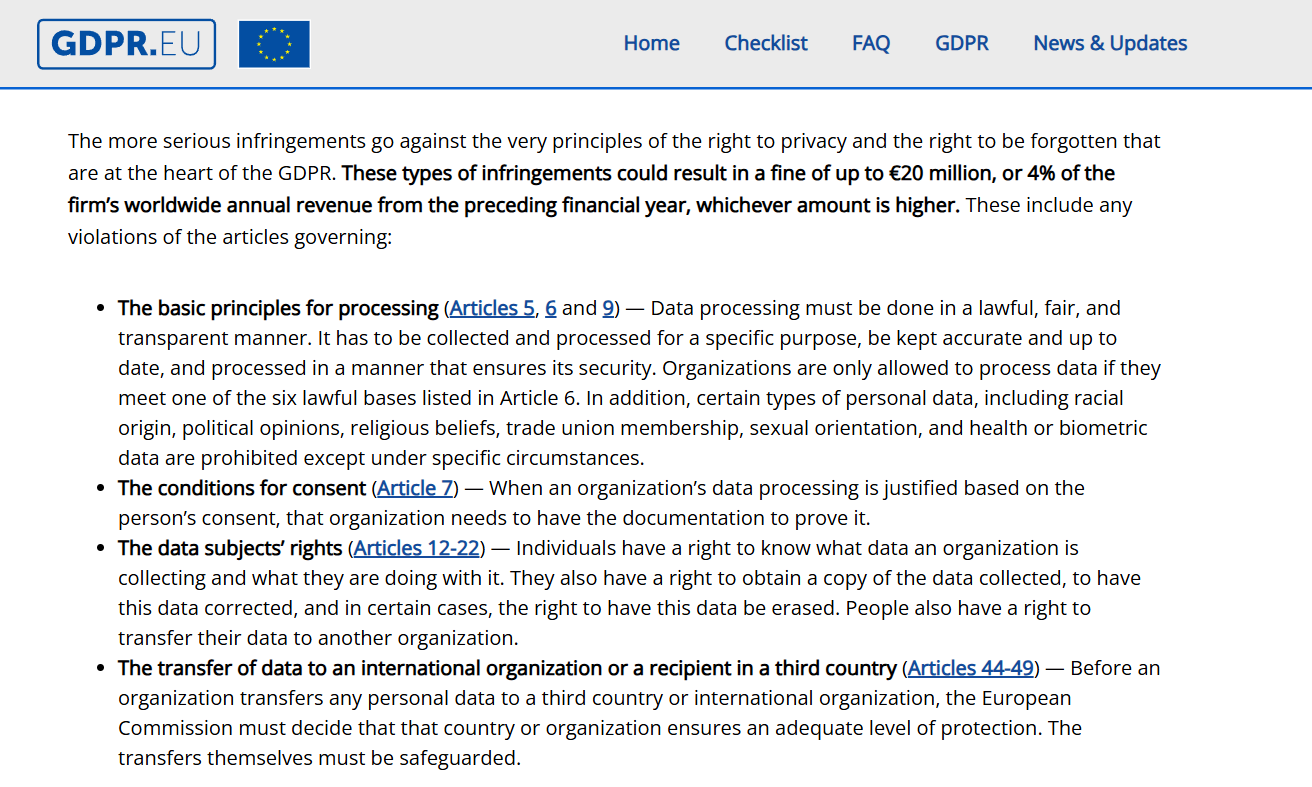
But here’s what went wrong: companies got scared of fines. GDPR penalties can reach €20 million or 4% of a company’s global revenue. So every business added a cookie banner to their site. Now every website has one, and users are drowning in pop-ups.
Several factors keep making this problem worse:
Too Many Banners Everywhere
Visit an online store and you see a banner. Click on a blog post for more info and another banner appears. Check a news site to catch up on headlines and there’s yet another pop-up. Every single click leads to another consent request.
The repetition is numbing. What was meant to protect privacy became a constant interruption. Users can’t browse casually anymore without being asked the same question over and over again.
Bad Design Makes It Worse
Many cookie banners are designed to be annoying. They cover large parts of the screen. They interrupt whatever the user was trying to do. Some block the entire page until you make a choice.
Even worse, some banners use tricks called “dark patterns.” They make the “Accept” button big and colorful while hiding “Reject” in tiny gray text. They use confusing words that push users toward accepting everything. These tactics frustrate people even more because they feel manipulated.
Confusing Language Nobody Reads
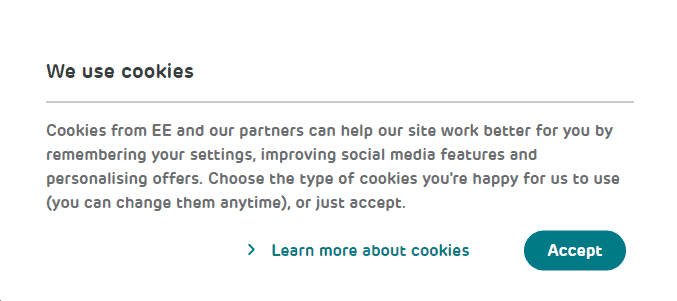
Most privacy notices are written in legal language that’s hard to understand. They talk about “data processors”, “third-party cookies” and “legitimate interests” without explaining what any of it means.
Research shows many privacy policies require college-level reading skills and would take 20 minutes or more to read fully. No one has time for that when they just want to browse a store. So people click the first button they see and move on.
Being Asked the Same Thing Again and Again
Many sites ask for consent on every single visit. You answered yesterday. You answered last week. Why are they asking again? This makes users feel like the site doesn’t remember or doesn’t care about their previous choice.
Some companies run multiple websites, and users have to consent separately on each one. They don’t realize it’s the same company. They just know they keep getting asked the same question they already answered.
Privacy Laws Spreading Worldwide
Cookie banners used to be mostly a European thing because of GDPR. But now Brazil has LGPD. Thailand has PDPA. California has CCPA and CPRA. More countries and regions keep adding privacy laws.
This means users everywhere now see consent pop-ups, not just Europeans. The problem has gone global, and the fatigue has spread with it.
How to Fix Consent Fatigue (While Staying Compliant)
Good news: you can fix this problem. You have control over how you ask for consent. By making smart changes, you can stay compliant with privacy laws while making the experience much better for your visitors.
Here are practical steps that work:
Use Simple Language
Drop the legal jargon. Instead of “We process personal data for the purpose of analytics and advertising,” say “We use cookies to improve your shopping experience.” Short and clear beats long and confusing every time.
Being transparent doesn’t mean writing a legal document. Regulators actually encourage information that’s “concise, transparent, and easily accessible.” A simple explanation builds more trust than a wall of text nobody reads.
Let Users Choose What They Accept
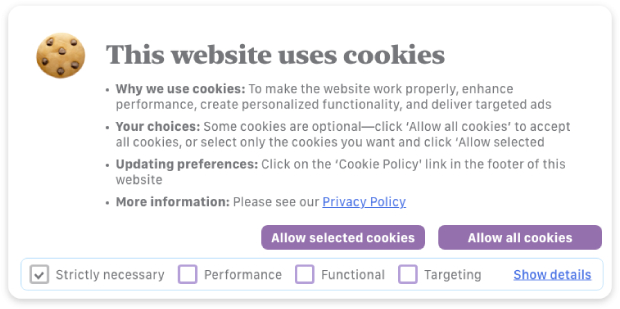
Don’t force an all-or-nothing decision. Let users turn on “Analytics” cookies but keep “Marketing” cookies off if they want. When people feel in control, they’re more likely to say yes to at least some things.
Granular choices show respect for user autonomy. They also tend to result in higher opt-in rates for essential features, because users aren’t forced into total acceptance or total rejection.
Don’t Use Dark Patterns
Make “Accept” and “Reject” equally easy to find and click. Both buttons should be the same size and equally visible. Don’t hide the decline option. Don’t use guilt-tripping language.
Users notice manipulation, and it backfires. Beyond frustrating visitors, dark patterns also risk penalties from regulators who are cracking down on deceptive consent practices. Honesty is both the ethical choice and the smart business choice.
Keep the Banner Small and Clean
Use a bottom bar or small pop-up instead of blocking the whole screen. Make sure it looks good and works well on mobile phones. The less intrusive your banner, the less annoying it feels.
Match the design to your store’s look. A banner that feels like part of your site is less jarring than one that looks like an annoying interruption. Good design shows you care about user experience.
Try a Two-Layer Approach
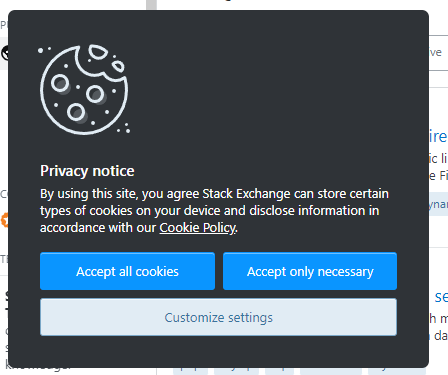
Show a simple first screen with “Accept All,” “Reject All,” and “Customize.” Users who want more details can click to see full options. Users who can’t decide quickly and move on.
This layered approach balances transparency with usability. You give full information to those who want it without overwhelming everyone else. It’s become an accepted best practice in consent design.
Remember User Choices
Don’t ask the same person every single visit. Store their choice for several months. If they consented last week, don’t show the banner again today. Respecting previous choices shows you value their time.
If you run multiple websites, consider cross-domain consent. When someone consents on one of your sites, they shouldn’t have to repeat the process on your other sites.
Time It Right
Consider waiting until the second page view or a few seconds after arrival before showing the banner. Don’t hit visitors with a pop-up the instant they land. Give them a moment to see your store first.
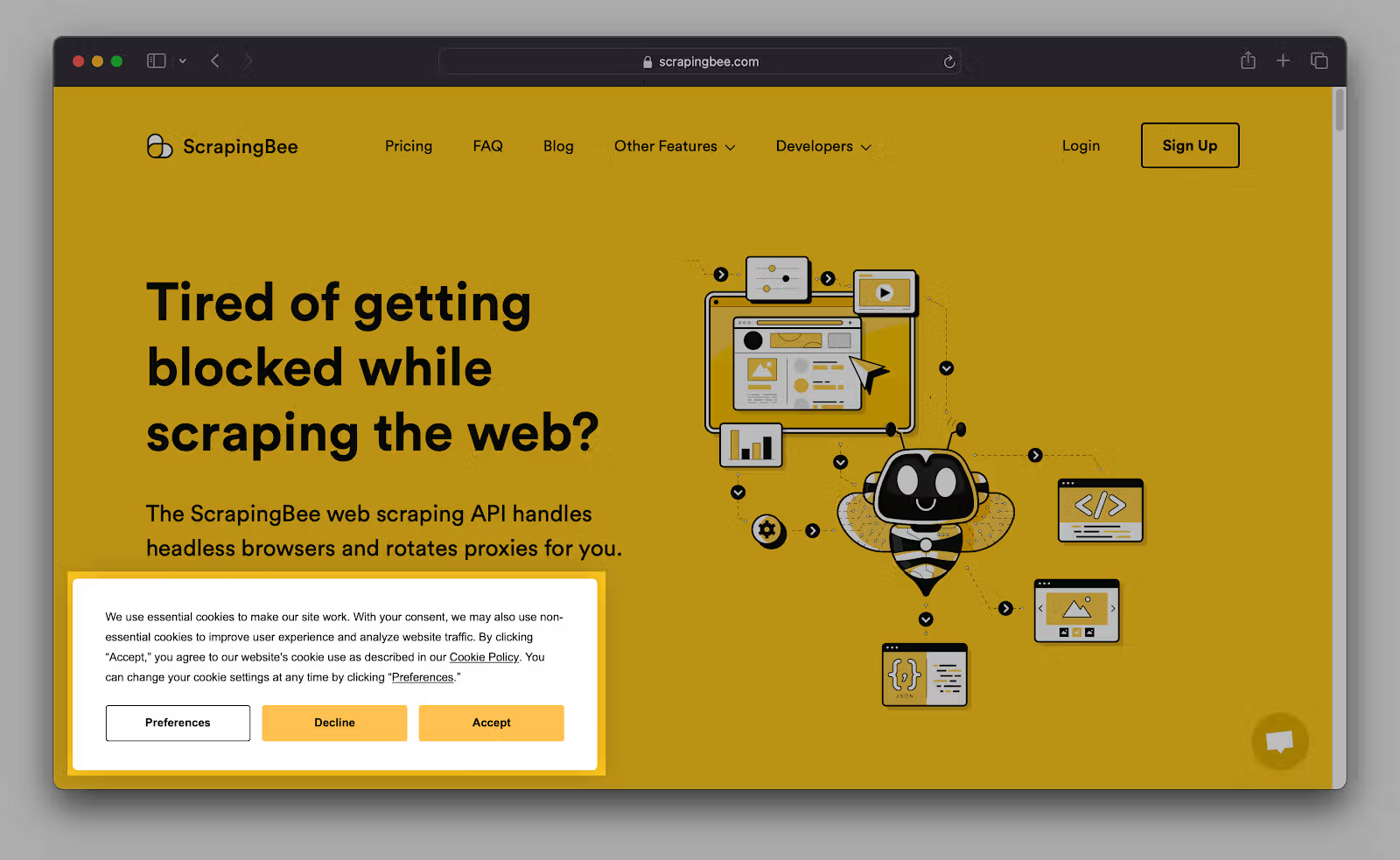
Important note: GDPR requires consent before setting non-essential cookies. You can delay showing the banner, but you can’t drop tracking cookies until you get permission. Balance timing with compliance.
Show Different Banners by Location
EU visitors need full GDPR-compliant banners. California visitors need certain notices. Someone in a region without strict privacy laws might not need a detailed banner at all.
Use geolocation to show only what’s legally required for each visitor. This avoids “over-notifying” users in places where extensive consent isn’t necessary. You stay compliant everywhere while reducing unnecessary friction.
Make It Easy to Change Choices Later
Add a “Cookie Settings” or “Privacy Preferences” link in your footer. When users know they can change their mind later, they’re more comfortable saying yes now. It removes the feeling of being trapped by a permanent decision.
Privacy laws require that withdrawing consent be as easy as giving it. But beyond compliance, offering this control builds trust. Users appreciate knowing they have ongoing choice.
Explain the Benefit Briefly
Add one line explaining why cookies help: “Accepting lets us show you products you’ll love and save your cart.” Give users a reason to care instead of just demanding agreement.
You can also emphasize your privacy commitment: “We never sell your data.” A brief, honest explanation can turn suspicious visitors into willing participants. Just keep it short.
Keep Testing and Improving
Check your opt-in rates regularly. Try different button colors, wording, or timing. See what works best for your specific audience. Treat consent like any other part of your site that needs ongoing optimization.
Pay attention to feedback too. If customers mention your cookie banner, listen. Their complaints point to improvements you can make.
Reduce Consent Fatigue with Consentik Consent Management Platform
A Consent Management Platform (CMP) handles all of this for you. It manages banners, tracks choices, blocks cookies until consent is given, and stays updated as laws change.
Look for a CMP that lets you customize the design to match your brand, supports geo-targeting for different regions, and provides analytics on consent rates. The right tool makes compliance easy while keeping the experience user-friendly.
If you’re looking for a solution that solves the consent fatigue problems we covered, Consentik is worth checking out.
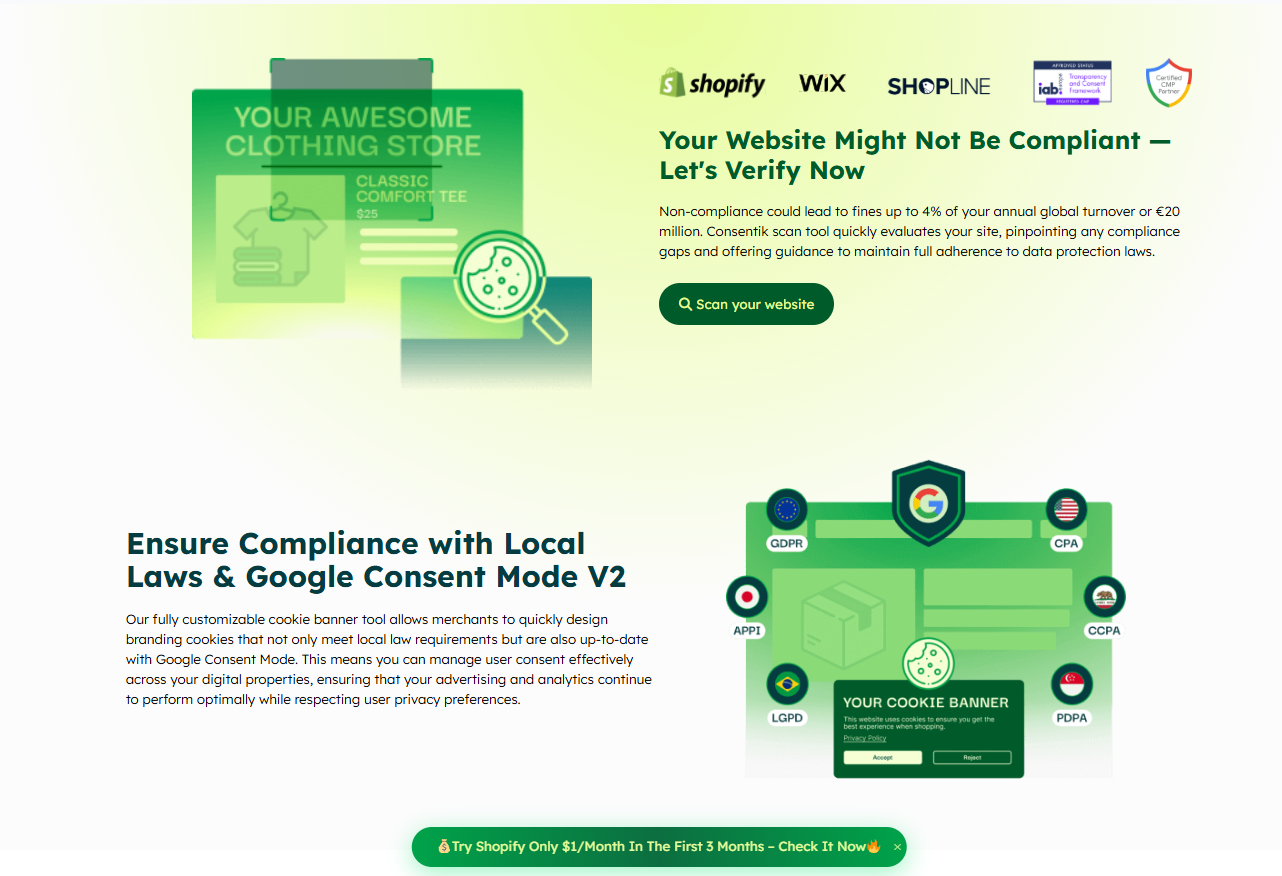
As a Google CMP Partner and Microsoft-approved CMP, Consentik works across multiple platforms – dedicated apps for Shopify, Wix, and Shopline.
How Consentik can help reduce consent fatigue:
- Remembers user choices so returning visitors aren’t asked again
- Fully customizable banners that match your store’s design
- Geo-targeting shows only what’s legally required for each visitor
- Google Consent Mode v2 keeps your Analytics and Ads working even when users decline
- Auto-updates with GDPR, CCPA, LGPD, and other evolving laws
- Works in 5 minutes with no coding required
Consentik is free to start. You get real cookie blocking until consent – not fake banners that still collect data in the background.
Final Words
Remember: 1,000+ cookie banners per year have trained users to ignore or reject consent requests. You can’t change that reality, but you can stand out from it. A smooth, honest consent experience tells customers you’re different. You respect their time. You value their choice. That builds trust no ad campaign can buy. Don’t let consent fatigue silently drain your sales and data. Fix your banner today. Use the right tools. Turn compliance from a legal headache into a competitive advantage for your store.